
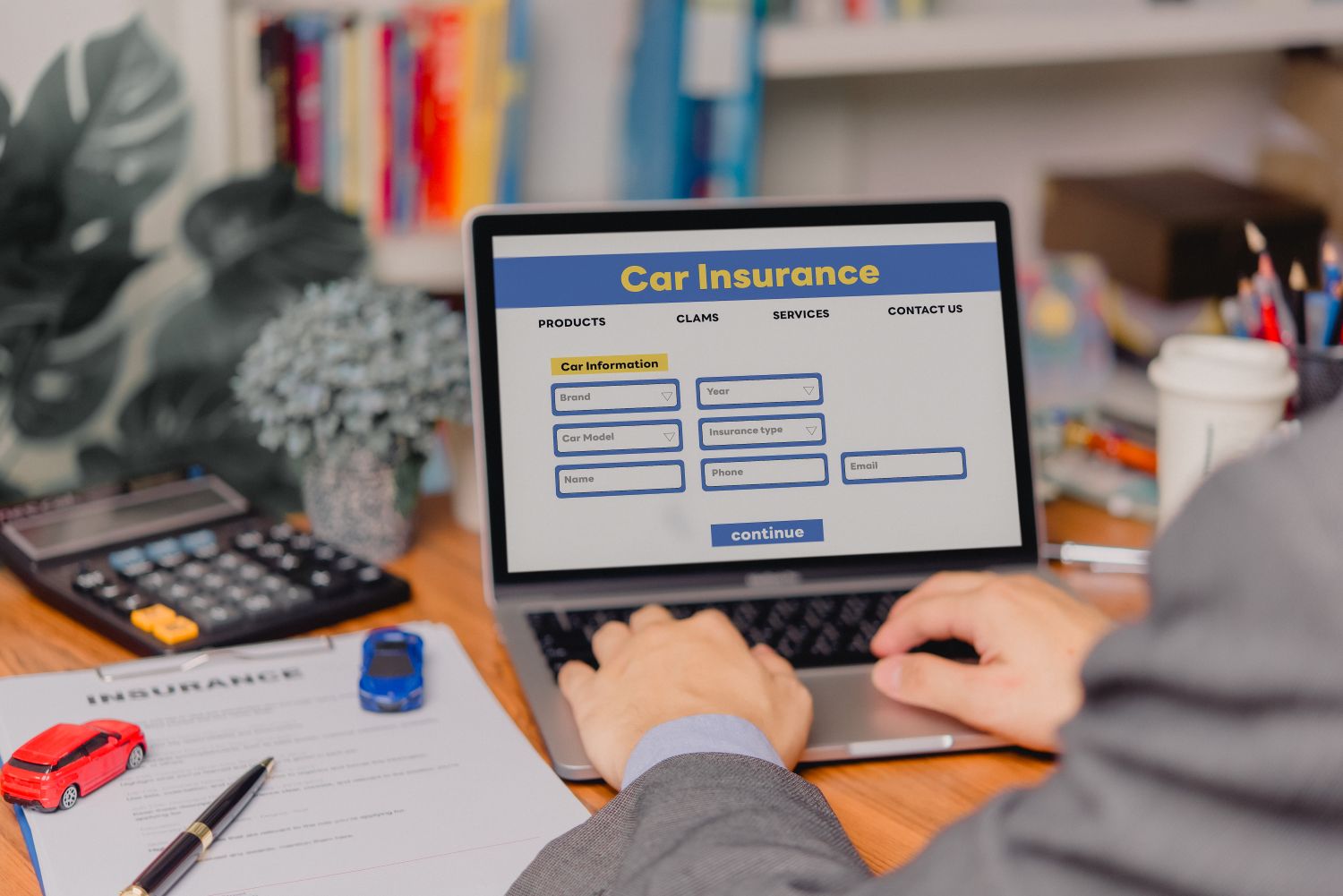
Finding the best place to buy car insurance online can feel overwhelming, yet it’s crucial for protecting your vehicle and finances. With an array of options available, understanding the benefits of online shopping and key factors that influence your choice is essential. This guide will explore top online insurers, effective comparison strategies, and tips for securing the best rates while avoiding common pitfalls. Discover how to navigate the digital landscape of car insurance for a more informed decision.
Benefits of Online Insurance Shopping
Shopping for car insurance online provides numerous advantages, including 24/7 access, a wider range of options, and the ability to quickly compare quotes.
When engaging in online shopping for car insurance, it is advisable to utilize platforms such as Geico and Progressive for obtaining instant quotes, as well as tools like NerdWallet for user-friendly comparisons.
Additionally, prospective policyholders should consider leveraging customer reviews on websites like Yelp to assess the reliability of insurers.
The expedited application processes offered by many providers enable the completion of certain policies in under ten minutes, allowing individuals to secure coverage at their convenience.
Furthermore, numerous insurance providers offer discounts for bundling policies, which can lead to significant reductions in overall costs.
A recent study indicated that customers who purchase insurance online report a 30% increase in satisfaction, attributable to the convenience and transparency of the process.
Factors to Consider When Choosing an Insurer
When selecting an online car insurance provider, it is essential to consider several key factors, including coverage options, premium rates, customer service, and financial stability.
To identify the most suitable insurer, it is advisable to compare at least five providers utilizing resources such as Insure.com or NerdWallet.
Evaluate the various coverage types available, including liability, comprehensive, and collision, to ensure that your specific needs are adequately addressed.
Subsequently, assess the financial ratings provided by organizations such as A.M. Best or J.D. Power to confirm the insurer’s stability.
Additionally, it is prudent to research customer support options, with a preference for providers that offer 24/7 service.
Finally, review online feedback regarding claims satisfaction, as this aspect is critical to your overall experience.
By following these steps, you can identify a provider that aligns with both your budget and insurance requirements.
Top Online Car Insurance Providers
Given the abundance of options in the market, identifying the leading online car insurance providers is essential for consumers seeking to obtain optimal coverage at competitive rates.
Comparison of Major Insurers
A comparison table of major insurers highlights significant differences in policy features, pricing, and customer service ratings.
| Insurer | Price Range | Coverage Types | Customer Rating | Best For |
|---|---|---|---|---|
| Geico | Starting at $50/month | Strong for liability coverage | 4.7/5 | Low-cost policies |
| State Farm | From $45/month | Excellent for discounts | 4.6/5 | Bundles and discounts |
| Allstate | Varies widely | High customization options | 4.5/5 | Personalized coverage |
| Progressive | Good for bundling | Multi-policy discounts | 4.4/5 | Combining multiple needs |
Geico is particularly well-suited for individuals seeking affordable liability coverage, whereas State Farm excels in providing a wide range of discounts. Allstate’s flexibility is attractive to those desiring customized options, and Progressive offers compelling bundling benefits for comprehensive insurance plans.
Customer Reviews and Ratings
Customer reviews are essential for evaluating an insurer’s reliability and service quality, with platforms such as Trustpilot and Consumer Reports offering valuable insights.
For example, Geico has achieved a rating of 4.5 out of 5 on Trustpilot, which underscores its efficient service speed. On the other hand, State Farm frequently garners praise for its exceptional customer support, although its policy pricing may exhibit variability.
Progressive presents a more diverse array of feedback; while some users commend its competitive rates, others express frustrations regarding the claims processing experience.
To effectively interpret these reviews, it is important to consider both the volume of feedback and the common recurring themes, such as service responsiveness or challenges in claims processing, rather than concentrating solely on individual ratings.
How to Compare Car Insurance Quotes
Comparing car insurance quotes can result in substantial savings for consumers, with some individuals experiencing an average annual savings of $500 by exploring various options in the market.
Using Online Comparison Tools
Utilizing online comparison tools such as The Zebra or Compare.com can significantly streamline the process of evaluating multiple insurance quotes efficiently.
To initiate this process, please follow these steps:
- Enter your personal details, including age, location, and vehicle information.
- Select the types of coverage you desire, such as liability or collision.
- Review the quotes generated from various insurers. Most tools aggregate offers within seconds, thereby saving approximately 30 minutes compared to manual comparisons.
- Analyze additional features, such as roadside assistance or rental coverage, to identify the policy that best aligns with your needs.
This method not only conserves valuable time but also frequently uncovers potential savings that may not be immediately apparent.
Understanding Coverage Options
A comprehensive understanding of coverage options is crucial for tailoring an insurance policy that meets individual needs, thereby ensuring optimal protection without incurring unnecessary expenses.
Liability coverage is the minimum requirement mandated by law, providing coverage for injuries and property damage to others resulting from an accident that one causes.
Comprehensive coverage safeguards against theft or natural disasters, making it particularly suitable for individuals residing in high-risk areas. Collision coverage addresses damages to one’s vehicle in the event of an accident involving another vehicle, which is particularly beneficial for owners of newer cars.
Uninsured motorist coverage provides protection when one is involved in an accident with a driver who lacks sufficient insurance, thereby offering peace of mind.
Each of these coverage types plays a distinct and essential role in an individual’s overall protection strategy.
Tips for Getting the Best Rates
Maximizing savings on car insurance rates requires a strategic approach to utilizing available discounts and comprehending one’s insurance score.
By doing so, individuals may potentially reduce their premiums by as much as 30%.
Discounts and Offers
Car insurance providers offer a range of discounts that can significantly reduce premium rates, with some customers saving as much as $750 annually. Understanding the various types of discounts available can assist individuals in maximizing their savings.
For instance, a multi-policy discount is available for those who bundle their home and auto insurance, often resulting in savings of up to 25%. Additionally, safe drivers with a clean record may qualify for further discounts, while students who maintain a GPA of 3.0 or higher can benefit from a good student discount. Furthermore, vehicles equipped with safety features, such as anti-theft devices, can also qualify for reduced rates.
Exploring these options not only ensures comprehensive coverage but also alleviates financial burdens.
Improving Your Insurance Score
Improving one’s insurance score is of paramount importance, as a higher score can result in lower premiums, potentially saving drivers hundreds of dollars each year. To enhance your score, it is advisable to follow these steps:
- Begin by reviewing your credit report for any errors using AnnualCreditReport.com; this service is free and essential for correcting inaccuracies.
- Maintain low credit card balances, ideally keeping them under 30% of your credit limit.
- Refrain from opening new credit accounts immediately prior to the renewal of your insurance policy, as this may adversely affect your score.
- Ensure that all bills are paid punctually to uphold a positive payment history.
- Minimize the frequency of claims, as fewer claims can signal lower risk to insurers.
For example, one customer was able to improve their insurance score from fair to good, resulting in an annual savings of over $500 in premiums.
Common Mistakes to Avoid
Avoiding common pitfalls during the process of purchasing car insurance can result in significant savings for consumers, both financially and in terms of potential complications.
Many individuals tend to overlook essential aspects of their policies, which can lead to misunderstandings and inadequate coverage.
Overlooking Coverage Needs
Many consumers tend to underestimate their actual coverage needs, often selecting only the minimum coverage required by law. This practice can leave them vulnerable in the event of an accident.
Such underinsurance introduces risks, including financial losses resulting from collisions with underinsured motorists and increased out-of-pocket expenses during the claims process.
To evaluate the adequacy of coverage, it is advisable to consider the following checklist:
- The value of your vehicle,
- Your driving habits and frequency of use,
- The potential medical costs associated with an accident, and
- Local insurance regulations.
By conducting a thorough assessment of these factors, individuals can ensure they select a policy that provides sufficient protection and effectively mitigates risks.
Failing to Read the Fine Print
Neglecting to thoroughly examine the fine print of an insurance policy can result in unforeseen complications, such as coverage exclusions and elevated deductibles.
Key areas to review include:
- Exclusions, as certain injuries or conditions may not be included in the coverage;
- Deductible amounts, which can significantly impact out-of-pocket expenses if set excessively high;
- Renewal terms, given that auto-renewal clauses may commit you to less favorable rates;
- Cancellation policies, ensuring the ability to terminate coverage without incurring penalties.
For example, an individual named Sarah purchased a health insurance policy, only to later discover that her specific condition was excluded. This resulted in a substantial bill that she believed would be covered, underscoring the critical importance of diligently reviewing the fine print.